taking l carnitine
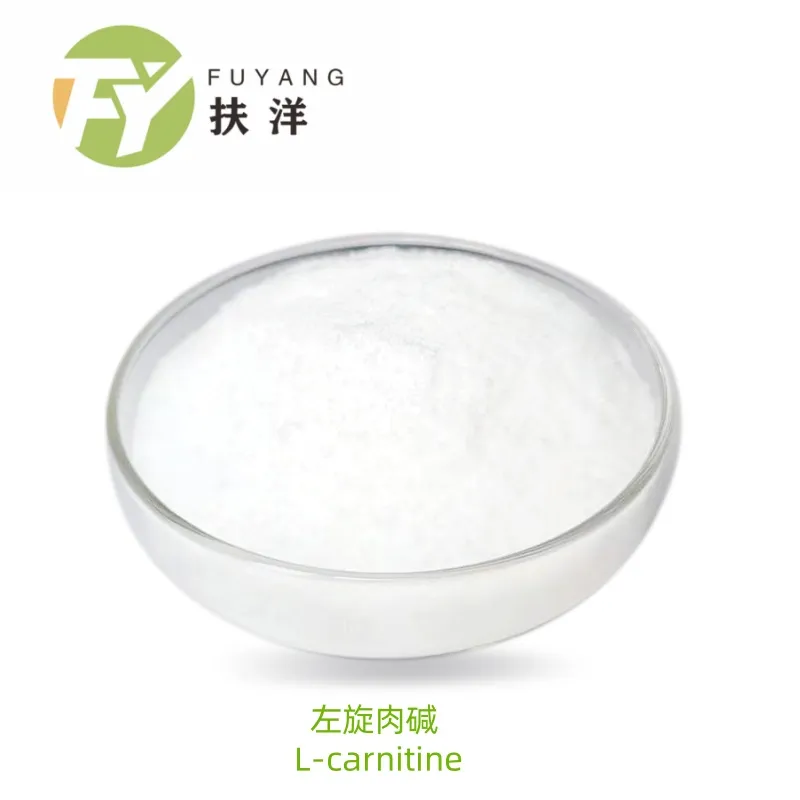
L Carnitine is a naturally occurring nutrient and dietary supplement known for its pivotal role in energy metabolism and fat utilization. With a chemical formula of C₇H₁₅NO₃ and characterized as (R)-3-Carboxy-2-hydroxy-N,N,N-trimethylpropanaminium hydroxide inner salt, this white or off-white crystalline powder acts as a vital transporter, shuttling long-chain fatty acids across cellular membranes into mitochondria where they are oxidized for energy. As a key player in lipid metabolic balance, l carnitine is widely used in weight management and athletic performance enhancement. This article delves into the types of l carnitine , their distinct properties, and how carnitine supplement aids in effective fat metabolism and overall health. Understanding Different Types of L Carnitine and Their Applications There are multiple forms of l carnitine , each with specific characteristics and uses. The primary types include L-Carnitine L-Tartrate, Acetyl-L-Carnitine, Propionyl-L-Carnitine, and Glycine Propionyl-L-Carnitine. L-Carnitine L-Tartrate is often favored in sports nutrition for its rapid absorption and efficacy in improving exercise recovery. Acetyl-L-Carnitine is known for its cognitive benefits, crossing the blood-brain barrier and supporting brain energy metabolism. Propionyl-L-Carnitine is used primarily for cardiovascular health, improving blood flow and mitochondrial function. Understanding these variations helps manufacturers and consumers select the appropriate carnitine supplement tailored to specific health or performance goals. The common denominator among all forms is their ability to transport fatty acids into mitochondria, enhancing β-oxidation and energy production. This process reduces glycogen use and promotes fat as a preferred fuel source, critical for l carnitine weight loss effects. Mechanisms Behind L Carnitine’s Role in Fat Metabolism The key physiological function of l carnitine is to act as a transporter for long-chain fatty acids into mitochondria, where these molecules undergo β-oxidation. By regulating the acyl-CoA/CoA ratio within mitochondria, l carnitine ensures efficient lipid catabolism, thus supporting metabolic balance and energy homeostasis. This function not only enhances fat oxidation but also spares glycogen, making it an essential nutrient for endurance athletes and individuals aiming for fat reduction. Precision-controlled purification and refining processes improve the physiological activity of L Carnitine supplements, maximizing their bioavailability and effectiveness. These products help increase the oxidation rate of fats, meeting the body's energy demands during physical activity or calorie restriction. Applications of Carnitine Supplements in Weight Loss and Health L carnitine weight loss supplements have become popular due to their dual role in enhancing fat metabolism and supporting energy levels. By facilitating the transport and breakdown of fatty acids, l carnitine supplements help reduce fat accumulation and promote lean body mass maintenance. This is particularly valuable during weight loss programs where muscle preservation is critical. Beyond weight management, carnitine supplements improve reproductive performance in male livestock and poultry, indicating broader biological benefits linked to cellular energy metabolism. In humans, Acetyl-L-Carnitine is also studied for neuroprotective effects and cognitive support, highlighting the diverse applications of this nutrient. Consumers should look for high-quality l carnitine products that adhere to stringent purification standards to ensure superior physiological activity and safety. Selecting the Right L Carnitine Supplement for Your Needs Choosing the appropriate form of l carnitine depends on individual health goals. For fat burning and exercise recovery, L-Carnitine L-Tartrate is often recommended. Those seeking cognitive benefits may prefer Acetyl-L-Carnitine. Propionyl-L-Carnitine suits cardiovascular support, while Glycine Propionyl-L-Carnitine offers combined benefits. Quality is paramount; supplements should undergo precision purification to guarantee potency and bioavailability. Additionally, consulting healthcare professionals ensures safe and effective supplementation, especially for individuals with medical conditions or those taking other medications. types of l carnitine FAQs What are the main types of l carnitine and their differences? The main types include L-Carnitine L-Tartrate (rapid absorption for sports recovery), Acetyl-L-Carnitine (brain health and cognitive support), Propionyl-L-Carnitine (cardiovascular benefits), and Glycine Propionyl-L-Carnitine (combined metabolic and vascular support). Each has unique applications based on their biochemical properties. How does l carnitine contribute to weight loss? L carnitine facilitates the transport of long-chain fatty acids into mitochondria for oxidation, promoting fat burning. By increasing β-oxidation and reducing glycogen use, it helps the body utilize fat as a primary energy source, supporting weight loss and muscle maintenance. Are all carnitine supplements equally effective? Effectiveness depends on the form, purity, and manufacturing process. Supplements produced with precision-controlled purification ensure higher bioavailability and physiological activity. Consumers should choose reputable brands and verify product quality. Can l carnitine improve exercise performance? Yes, l carnitine enhances energy production by increasing fat oxidation, delaying muscle fatigue, and improving recovery. This makes it beneficial for athletes and active individuals. Is l carnitine supplementation safe for everyone? Generally, l carnitine is safe when taken within recommended dosages. However, individuals with underlying health conditions or on medication should consult healthcare providers before use to avoid interactions or side effects.